Bone density can quietly slip away during menopause, and not every calcium bottle on the shelf is built to stop it. Here's how to choose a form, dose, and formula that actually supports your bones — backed by evidence, not marketing.
Why Calcium Gets Complicated After 40
Estrogen isn't just a reproductive hormone — it's a gatekeeper for bone remodeling. As levels decline through perimenopause and menopause, the cells that break down old bone (osteoclasts) start outpacing the cells that build new bone (osteoblasts). The result: women can lose up to 20% of bone density in the five to seven years following menopause, according to bone health research cited by the National Osteoporosis Foundation.
Calcium alone won't reverse that curve, but it remains the raw material bone needs. The real question isn't whether to take calcium — it's which form, how much, and what it needs alongside it to actually get absorbed into bone instead of soft tissue.
How Much Calcium Do You Actually Need
Most postmenopausal women need 1,200 mg of total calcium daily, according to National Institutes of Health guidance — and that's total intake, meaning diet plus supplements combined. Many women overshoot this by stacking a full supplement dose on top of dairy, leafy greens, and fortified foods, which offers no extra bone benefit and may raise the risk of kidney stones or cardiovascular calcification at very high intakes.
Before buying a bottle, it's worth roughly tallying dietary calcium first. A cup of yogurt, a serving of fortified plant milk, or a handful of almonds can already cover 300-400 mg. Supplement only the gap, split into doses of 500 mg or less, since the body absorbs calcium more efficiently in smaller amounts spread across the day.
Calcium Carbonate vs. Calcium Citrate: The Form Matters
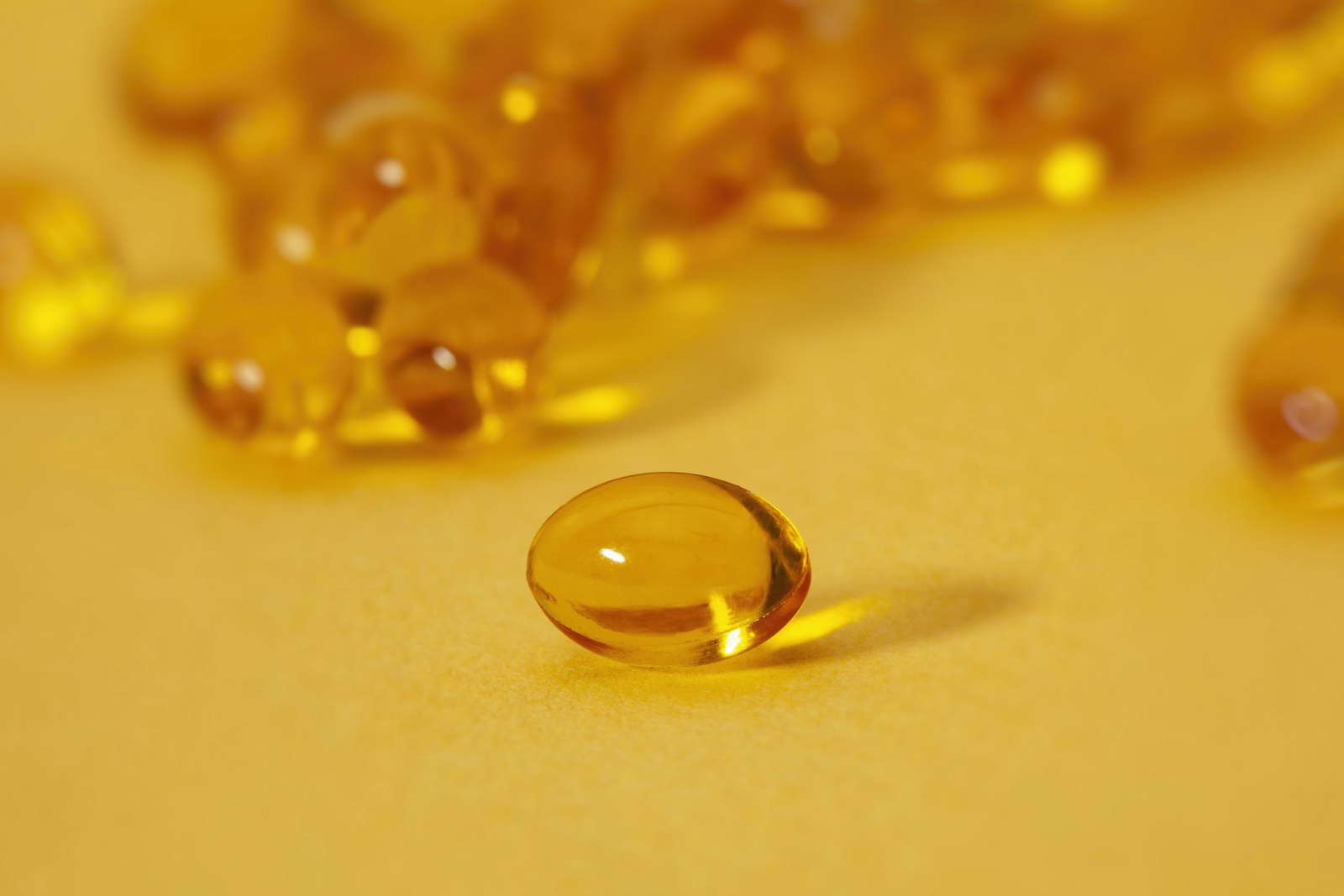
Not all calcium is created equal. Calcium carbonate is the most concentrated and cost-effective form, but it requires stomach acid to break down, so it's best taken with food. Calcium citrate is more expensive and less concentrated by weight, but it absorbs well with or without food — a meaningful advantage for women over 50, who often produce less stomach acid, and for anyone on acid-reducing medication.
If you have digestive sensitivity, reflux, or take a proton pump inhibitor, citrate is generally the smarter default. If you tolerate carbonate fine and take it with meals, it's a perfectly effective, budget-friendly option.
| Form | Elemental Calcium | Best Taken With | Ideal For |
|---|---|---|---|
| Calcium Carbonate | ~40% by weight | Food (needs stomach acid) | Budget-conscious, no digestive issues |
| Calcium Citrate | ~21% by weight | With or without food | Low stomach acid, PPI users, 50+ |
| Calcium + Vitamin D3 + K2 Blend | Varies by product | With a meal containing fat | Women wanting bone-directed absorption support |
| Plant-Sourced (Algae-Based) | Varies by product | With food | Those preferring whole-food sourced minerals |
The Cofactors That Make Calcium Work
Calcium without support nutrients is like sending building materials to a construction site with no crew. Vitamin D3 is essential for calcium absorption in the gut — without adequate D3, much of the calcium you swallow simply passes through unused. Vitamin K2 (specifically the MK-7 form) helps direct absorbed calcium toward bone and away from arteries, an increasingly discussed pairing in bone-health formulations.
Magnesium also plays a supporting role, as it's required to convert vitamin D into its active form. Many menopause-focused calcium formulas now bundle D3, K2, and magnesium together specifically because these nutrients work as a system rather than in isolation.

Look for a Bone-Support Trio, Not Calcium Alone
Formulas combining calcium citrate with vitamin D3 and K2 (MK-7) are widely favored for absorption and bone-targeting support during and after menopause.
Compare Options on Amazon →Who Actually Needs a Calcium Supplement
Not every woman needs to add a pill. If your diet reliably includes dairy, fortified plant milks, sardines, tofu, or leafy greens most days, you may already be close to the 1,200 mg target. Supplementation becomes more important for women who avoid dairy, follow a largely plant-based diet without fortified foods, have a history of low bone density, or have had a DEXA scan showing osteopenia.
Women on long-term corticosteroids, those with thyroid conditions affecting bone turnover, or anyone with a family history of osteoporosis should treat calcium and vitamin D as a baseline, alongside a conversation with their doctor about whether a bone density scan is warranted.
Prefer a Whole-Food Mineral Source?
Algae-derived calcium supplements offer a naturally sourced alternative to synthetic carbonate, often paired with trace minerals like magnesium and boron for broader bone support.
Shop Plant-Based Calcium on iHerb →Beyond the Pill: What Amplifies Calcium's Effect
Supplementation is only one lever. Weight-bearing exercise — walking, resistance training, stair climbing — signals bone to retain density in a way no pill can replicate. Adequate protein intake supports the collagen matrix that calcium mineralizes onto, and limiting excessive sodium and caffeine helps reduce urinary calcium loss.
For women navigating broader menopause symptoms alongside bone concerns, a comprehensive approach that includes hormone-aware lab testing can clarify whether declining estrogen is accelerating bone loss faster than expected, informing whether more targeted intervention is worth discussing with a healthcare provider.
Curious If Hormonal Shifts Are Driving Your Bone Risk
At-home hormone testing kits can offer a starting snapshot of where you stand, helping frame a more informed conversation with your doctor about bone health and menopause management.
Explore Hormone Testing →Our Ranking Framework: What to Look For
When comparing calcium and menopause-support supplements in 2026, prioritize products that disclose elemental calcium content per serving (not just total compound weight), include D3 and ideally K2, split doses to stay under 500 mg per serving, and undergo third-party testing for purity. Be wary of proprietary blends that obscure exact calcium amounts — transparency on the label is a strong signal of a trustworthy formula.
- Elemental calcium clearly labeled (not just 'calcium carbonate 1000mg')
- Includes vitamin D3, ideally 1,000-2,000 IU
- Bonus points for K2 (MK-7) and magnesium
- Doses split to 500mg or less per serving
- Third-party tested (USP, NSF, or Informed Choice)
Ready to Build a Bone-Support Routine?
Search current top-rated calcium, D3, and K2 combination formulas designed specifically for women navigating perimenopause and menopause.
Browse Menopause Bone Formulas →The Bottom Line
The best calcium supplement for menopause isn't necessarily the highest-dose one — it's the one that fills your specific dietary gap, absorbs well given your digestive profile, and comes paired with D3, K2, and magnesium to actually direct that calcium into bone. Combine it with weight-bearing movement and periodic conversations with your doctor, especially if you're at higher risk, and you're giving your skeleton the best odds through one of the most bone-vulnerable transitions of a woman's life.
From across the network
More from the network on related topics: HerDesireLab · MenopauseHealthLab · VitaminSupplyCenter.