PMS supplements are crowded with vague "hormone balance" promises, but chasteberry (Vitex agnus-castus) is one of the few botanicals with real clinical research behind it — if you buy the right form, at the right dose. Here's how to separate a research-grade extract from a bottle of fluff.
What Chasteberry Actually Does (and Doesn't)
Chasteberry — also labeled Vitex agnus-castus on supplement panels — is one of the most researched botanicals for cyclical hormone complaints. It doesn't contain hormones itself. Instead, human trials suggest it acts on the pituitary gland, modestly influencing prolactin and the ratio of estrogen to progesterone signaling across the luteal phase. That's a meaningfully different mechanism than adaptogens like ashwagandha or maca, which work more broadly on stress physiology.
The clinical interest centers on PMS symptom clusters — breast tenderness, irritability, bloating, and mood swings in the week or two before a period — plus some use in cycle irregularity and mild hyperprolactinemia support. It is not a fertility drug, not a substitute for treating PCOS or endometriosis, and not something that should be combined with hormonal birth control or dopamine-affecting medications without a clinician's input.
Forms on the Shelf: Standardized Extract vs. Raw Powder vs. Tincture
Quality separates fast in this category because Vitex is only as good as its standardization. Look for extracts standardized to a percentage of agnuside or casticin — the two marker compounds most studies track — rather than a plain 'fruit powder' listing with no extract ratio.
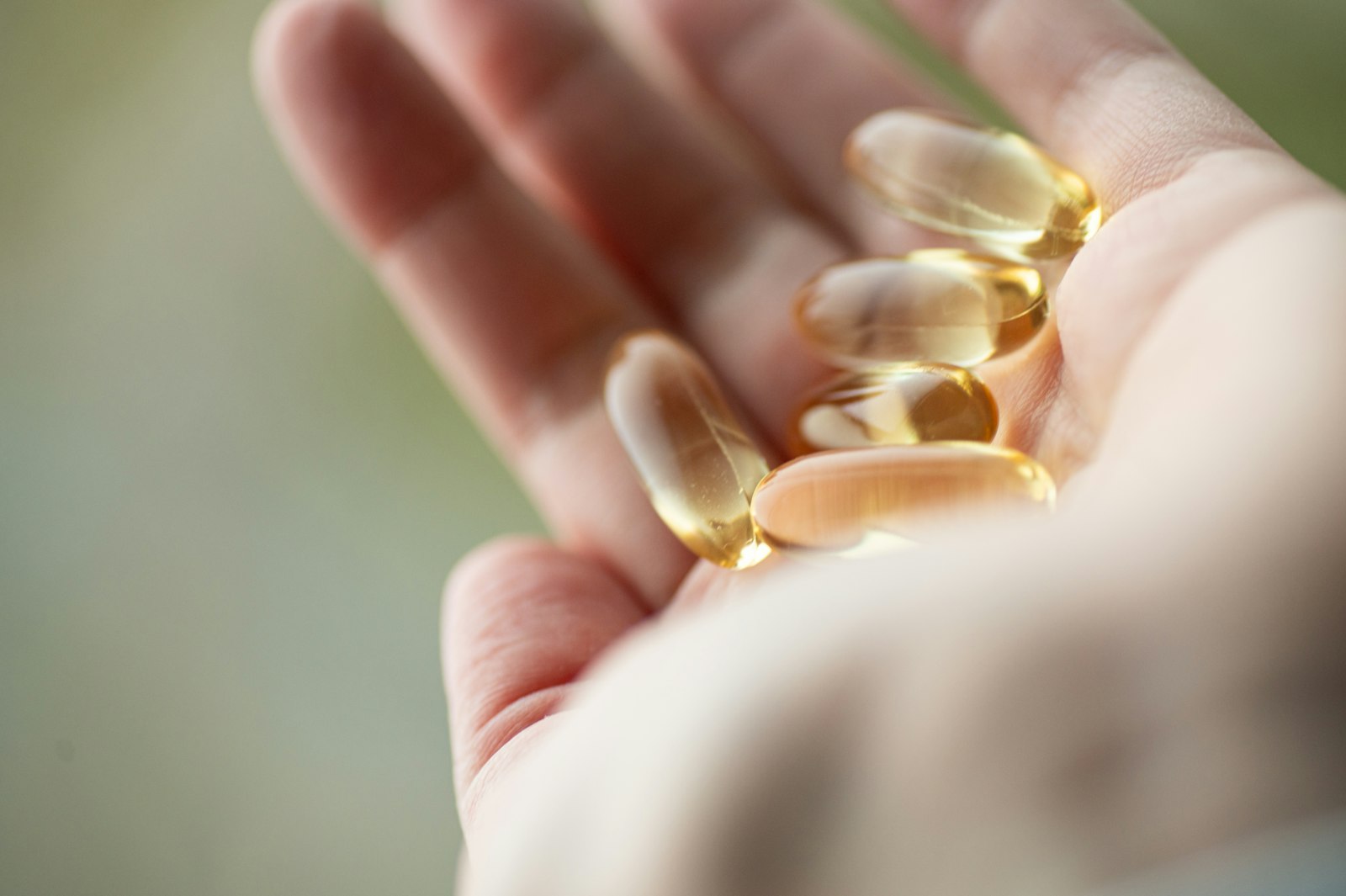
Capsules with a 4:1 or 10:1 concentrated extract, standardized to 0.5% agnuside, are the most defensible middle ground for potency and dosing accuracy. Liquid tinctures absorb faster and let you titrate dose, but they're harder to standardize and taste intensely bitter. Raw dried berry capsules are the least concentrated option and generally require higher pill counts to approximate research-level dosing.
Typical Research Dosing
Most clinical trials on PMS and cyclical breast tenderness used daily doses in the 20-40mg range of standardized dry extract, taken once each morning, for a minimum of three menstrual cycles before assessing benefit. Consistency matters more than timing — Vitex is a cumulative-effect botanical, not a same-day symptom reliever like ibuprofen.
| Form | Typical Daily Dose | Best For | Watch-Out |
|---|---|---|---|
| Standardized capsule (0.5% agnuside) | 20-40mg extract | Most users; predictable dosing | Confirm standardization on label, not just 'fruit powder' |
| Liquid tincture/drops | Per dropper, titratable | Faster absorption, flexible dosing | Bitter taste; harder to standardize batch-to-batch |
| Raw powdered berry | 400-1000mg | Whole-herb preference | Lower potency per mg; more capsules needed |
| Combo PMS blend (Vitex + magnesium/B6) | Varies by product | Multi-symptom PMS support | Check total Vitex mg isn't diluted by filler ingredients |
Who Chasteberry Is Actually For
The clearest candidate is someone with a predictable monthly cycle who notices the same PMS pattern recurring — sore breasts, short temper, bloating, food cravings — in the luteal phase. It's also commonly reached for by women with irregular but still-present cycles who want cycle-regulation support before pursuing more intensive interventions.
- Regularly cycling women with moderate-to-severe PMS symptoms
- Those with cyclical mastalgia (breast tenderness tied to the luteal phase)
- Women seeking non-hormonal cycle support alongside lifestyle changes
- NOT a fit: pregnancy, active hormonal contraceptive use, hormone-sensitive conditions, or antipsychotic/dopamine-agonist medication — talk to a doctor first

Start With a Verified 0.5% Agnuside Formula
Search for capsules that list the exact standardization percentage and extract ratio on the front label — not just 'chasteberry powder.' This is the detail that predicts whether a bottle mirrors the dosing used in published research.
Compare Chasteberry Extracts →Reading a Label Like a Skeptic
Three checks before buying: first, does the label state an extract ratio (like 4:1) or a marker compound percentage (agnuside or casticin)? Second, is the daily dose in the 20-40mg standardized-extract range that trials actually used, or is it padded with a much larger raw-powder number that sounds impressive but delivers less active compound? Third, is Vitex the headline ingredient, or is it buried in a proprietary blend alongside six other herbs at unlisted individual amounts?
Combination PMS formulas that pair Vitex with magnesium, vitamin B6, or evening primrose oil can be reasonable if the Vitex dose itself is still clearly stated and adequate. Avoid blends that hide the actual Vitex milligram count behind a 'proprietary blend' label — you have no way to know if you're getting a therapeutic dose or a token sprinkle.
Try a European-Style Standardized Vitex Formula
Many long-studied Vitex products originate from German and other European phytopharmaceutical traditions with tighter standardization practices. iHerb carries several imported and domestic options worth comparing side by side on agnuside percentage.
Shop Standardized Vitex on iHerb →How to Trial It Properly
Because Vitex works cumulatively, give any product at least three full cycles before judging it. Track symptoms with a simple daily note — breast tenderness, mood, bloating — starting the trial at the beginning of a cycle so you can compare luteal-phase symptoms month over month. Take it consistently each morning; splitting an already-modest dose across the day dilutes any signal you're trying to observe.
If symptoms haven't shifted at all by month three, more Vitex is unlikely to help — that's the point to reassess with a clinician rather than simply upgrading to a stronger extract indefinitely.
Pair Vitex With a Full Cycle-Tracking Approach
Chasteberry works best as part of a broader luteal-phase strategy — magnesium glycinate, consistent sleep, and symptom tracking all compound the effect. Explore our full PMS and hormone-support supplement guides for the complete stack.
See the Full Cycle Support Guide →The Bottom Line
The best chasteberry supplements in 2026 aren't the ones with the highest raw milligram count on the front of the bottle — they're the ones that clearly state a standardized agnuside or casticin percentage and land in the 20-40mg extract range that clinical research actually used. Skip proprietary blends that obscure the Vitex dose, commit to a minimum three-cycle trial, and loop in your doctor if you're on hormonal contraception or any dopamine-affecting medication before adding it to your routine.
From across the network
More from the network on related topics: HerDesireLab · MenopauseHealthLab · VitaminSupplyCenter.