Myo-inositol has quietly become one of the most evidence-backed supplements for PCOS, and choosing the right form, ratio, and dose can meaningfully change your results. Here's exactly what the research says — and which formulas are worth adding to your routine in 2026.
Why Myo-Inositol Is the PCOS Supplement Everyone's Talking About
If you have PCOS, you've probably heard myo-inositol mentioned in the same breath as metformin — and for good reason. This naturally occurring sugar alcohol acts as a secondary messenger for insulin, helping your cells respond to insulin signaling more efficiently. Because insulin resistance sits at the root of most PCOS symptoms — irregular cycles, stubborn weight gain, acne, excess hair growth, and fertility struggles — improving insulin sensitivity can create a domino effect of improvement throughout the body.
Multiple clinical trials have studied myo-inositol (often paired with D-chiro-inositol) for PCOS, looking at outcomes like ovulation rate, menstrual regularity, androgen levels, and metabolic markers. The results have been encouraging enough that many OB-GYNs and fertility specialists now recommend it as a first-line, food-based intervention before or alongside prescription medications. Below, we break down the forms that matter, the dosing that's actually been studied, who benefits most, and which supplements are worth your money in 2026.
Myo-Inositol vs. D-Chiro-Inositol: What's the Difference?
Not all inositol is created equal, and this is where a lot of shoppers get confused. Myo-inositol (MI) and D-chiro-inositol (DCI) are two stereoisomers of the same molecule, but they behave differently in the body. MI is abundant in the ovaries and plays a role in FSH signaling and egg quality, while DCI is involved in androgen production and glucose disposal.
Research suggests the body naturally maintains a roughly 40:1 ratio of MI to DCI in healthy ovarian tissue. In women with PCOS, this ratio can be disrupted, which is one theory behind why symptoms occur even when insulin resistance seems mild. This is why most reputable PCOS formulas combine MI and DCI in that 40:1 ratio rather than offering DCI alone — too much DCI relative to MI has been associated with reduced egg quality in some studies.
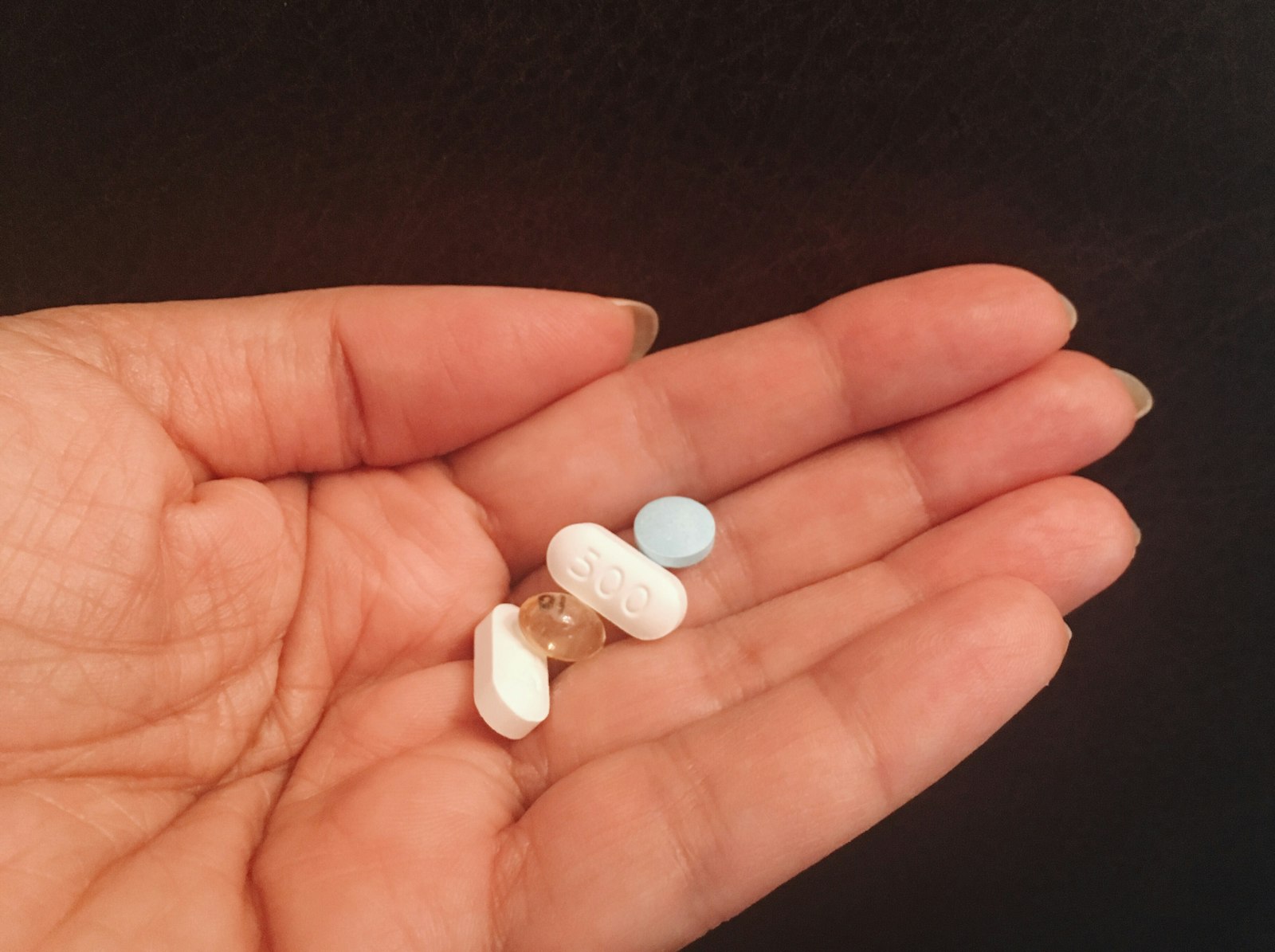
The Ratio That Keeps Coming Up: 40:1
When you're comparing labels, look specifically for the 40:1 MI to DCI ratio, typically delivered as 2000mg myo-inositol to 50mg D-chiro-inositol per serving. This is the combination used in the majority of the peer-reviewed PCOS trials, and it's become something of an industry standard for a reason — it mirrors natural physiological proportions rather than guessing at an arbitrary blend.
Who Actually Needs This Supplement?
Myo-inositol isn't a universal fix, but it tends to shine for a specific subset of PCOS presentations. If any of the following describe you, it's worth a conversation with your provider about adding it to your routine.
- You've been told you have insulin-resistant or 'insulin-dominant' PCOS
- Your cycles are irregular, absent, or longer than 35 days
- You're trying to conceive and want to support ovulatory function naturally
- You experience sugar cravings, energy crashes, or stubborn midsection weight
- You want an alternative or complement to metformin with fewer GI side effects
How Much Should You Actually Take?
Dosing matters more than most people realize with inositol — too little and you won't see results; there's no need to go higher than what's been studied. The overwhelming majority of clinical research lands on 4000mg of myo-inositol daily (often split into two 2000mg doses), paired with 100mg of D-chiro-inositol when using a combination formula.
Most people take it twice daily — morning and evening, with or without food — and it typically takes 8-12 weeks of consistent use before cycle regularity or metabolic markers noticeably shift. This isn't an overnight supplement; think of it as a long-game hormonal support tool similar to how you'd approach a prenatal vitamin.

| Form | Typical Dose | Best For | Notes |
|---|---|---|---|
| Myo-Inositol Only Powder | 4000mg/day | Budget-conscious, no fertility focus | Mixes easily into water; unflavored options taste faintly sweet |
| MI + DCI 40:1 Blend | 2000mg MI / 50mg DCI, 2x/day | Most PCOS presentations, ovulatory support | Closest match to physiological ratio used in trials |
| MI + DCI + Folate/Vitamin D | 2000mg MI 2x/day + micronutrients | Fertility-focused users, preconception | Convenient all-in-one, often pricier per serving |
| Capsule Form | Varies, usually 2-4 caps/day | Those who dislike powder texture | Often requires more capsules to hit clinical dose |
Our Top Myo-Inositol Picks for 2026
We evaluated formulas based on dose accuracy against clinical research, MI-to-DCI ratio, third-party testing transparency, and ingredient purity. Here's where to start looking.
Shop Top-Rated Myo-Inositol Powders
Compare bestselling myo-inositol and 40:1 MI/DCI blends with thousands of verified reviews, subscribe-and-save pricing, and fast Prime shipping.
Shop Myo-Inositol on Amazon →Browse iHerb's Inositol Collection
iHerb carries a wide range of internationally sourced inositol supplements with detailed Certificates of Analysis, often at lower price points than domestic brands.
Explore Inositol at iHerb →Get Clinical-Dose PCOS Formulas
HealthRx stocks practitioner-recommended inositol blends formulated at the exact 40:1 ratio used in fertility and endocrinology research, with batch-tested purity.
View HealthRx Formulas →Prefer Capsules Over Powder?
If mixing powder daily isn't realistic for your routine, browse high-dose myo-inositol capsule options designed to hit the clinical 4000mg target with fewer servings.
Compare Capsule Options →What to Look for on the Label
Beyond dosage, a few label details separate a serious formula from a filler product. Prioritize brands that disclose their MI-to-DCI ratio explicitly rather than hiding behind a vague 'proprietary blend.' Third-party testing (look for NSF, USP, or Informed Choice seals) matters more for a daily long-term supplement like this than almost any other category, since you're consuming grams of it, not milligrams.
Also check for unnecessary additives — sweeteners, fillers, or artificial flavoring can matter if you're sensitive or trying to avoid extra sugar intake given the insulin-resistance angle. Unflavored, pharmaceutical-grade powder is often the most cost-effective and cleanest option if you don't mind mixing it into water or a smoothie.
Realistic Expectations and When to See a Doctor
Myo-inositol is well-tolerated, with mild GI upset being the most commonly reported side effect at high doses, and it's generally considered safe to combine with metformin or use during a fertility-focused preconception window — though you should always clear any new supplement with your OB-GYN or reproductive endocrinologist, especially if you're on other medications.
Give it a full three-month trial before judging effectiveness, and track objective markers like cycle length, ovulation testing, or bloodwork (fasting insulin, HbA1c) rather than relying on how you feel week to week. If you see no changes in cycle regularity after 4-6 months at a clinically dosed 40:1 formula, it's worth revisiting your diagnosis and treatment plan with your provider, since PCOS is heterogeneous and not every case is primarily insulin-driven.
From across the network
More from the network on related topics: HerDesireLab · MenopauseHealthLab · VitaminSupplyCenter.