As NAD+ precursors like NMN and NR move from longevity-lab buzzword to mainstream supplement aisle, women navigating perimenopause and menopause are asking a fair question: does this actually work for me, and is it safe? Here's what the evidence really shows, who's most likely to benefit, and how to dose and choose a product without falling for hype.
What NAD+ Actually Does In Your Cells
Nicotinamide adenine dinucleotide (NAD+) is a coenzyme found in every cell of your body, essential for converting food into cellular energy and powering enzymes that repair DNA and regulate circadian rhythm. NAD+ levels decline steadily with age, with research suggesting a meaningful drop by midlife — a decline that accelerates around perimenopause and menopause as estrogen fluctuations further stress mitochondrial function.
Because you cannot supplement NAD+ directly in a bioavailable oral form, most products on the market deliver precursors — nicotinamide mononucleotide (NMN) or nicotinamide riboside (NR) — which the body converts into NAD+ through the salvage pathway. Understanding this distinction matters when evaluating any product claiming 'NAD+ benefits.'
Why NAD Support Is Getting Attention For Women Specifically
Estrogen plays a direct role in supporting mitochondrial biogenesis and NAD+ metabolism. As estrogen declines during perimenopause and menopause, many women report a cluster of symptoms — fatigue, brain fog, disrupted sleep, and slower metabolic recovery — that overlap with what's seen in cellular models of NAD+ depletion. This has made NAD precursors a popular area of interest in longevity and menopause-adjacent wellness circles heading into 2026.
It's important to be clear: NAD precursor research is still developing. Much of the strongest evidence comes from animal studies and small human trials, and results in women specifically are limited. That doesn't mean the interest is baseless — it means expectations should be calibrated to what the science currently supports.
Who Is Most Likely To Notice A Difference
- Women in perimenopause or menopause experiencing persistent fatigue not explained by sleep or thyroid issues
- Women over 40 focused on long-term metabolic and cardiovascular health support
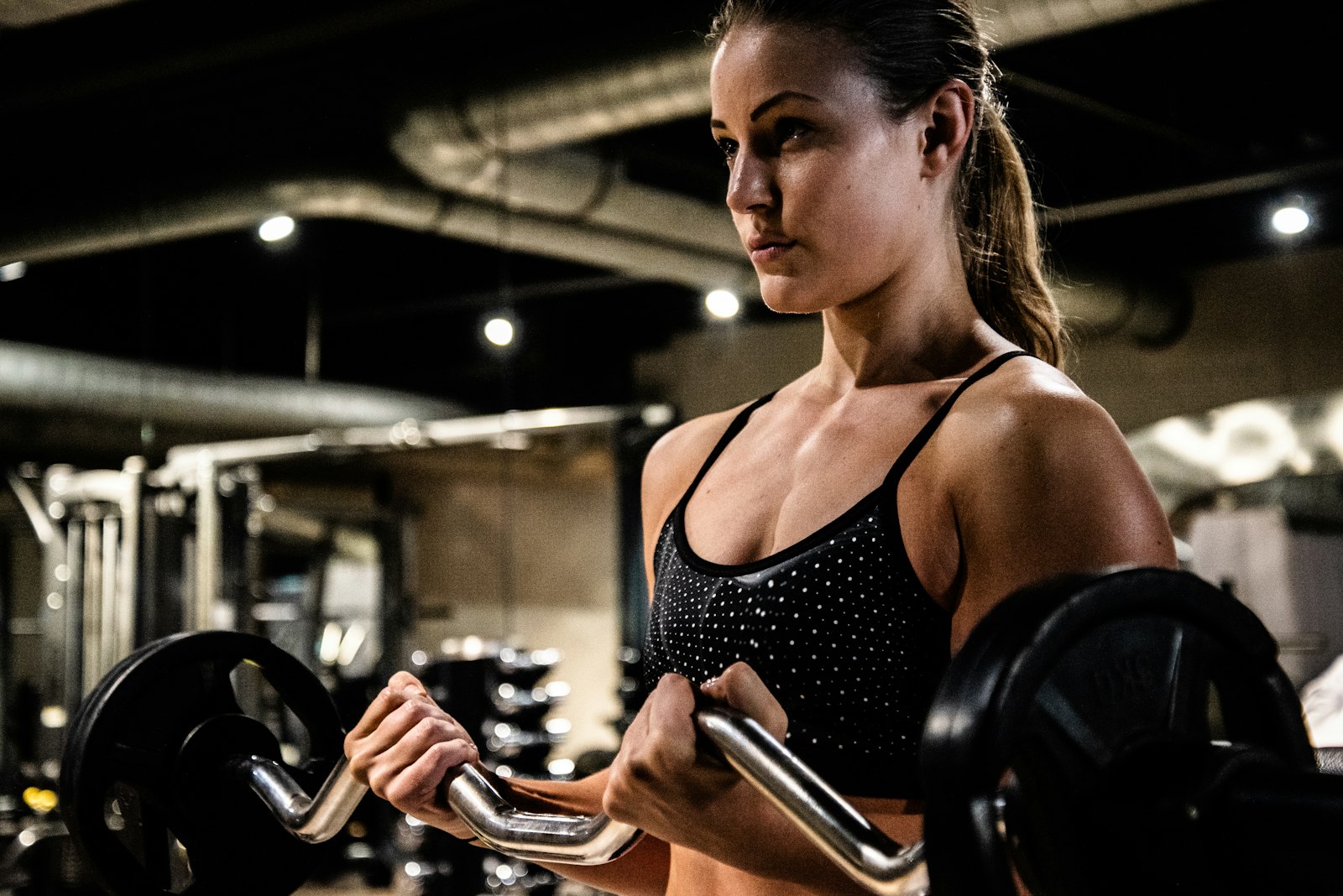
- Those recovering from high physical or training stress who want mitochondrial and cellular repair support
- Women already optimizing sleep, protein intake, and resistance training who want an additional lever, not a replacement for fundamentals
| Outcome Studied | General Finding in Small Trials |
|---|---|
| Blood NAD+ levels | Consistently increased with NMN/NR supplementation |
| Insulin sensitivity | Improved in some prediabetic and postmenopausal cohorts |
| Muscle strength/function | Modest improvements reported in a subset of older-adult trials |
| Subjective energy/fatigue | Inconsistent; more research needed |
| Skin/cognitive markers | Preliminary interest only; limited controlled data |
Common Side Effects To Know Before Starting
NMN and NR are generally well tolerated at studied doses, but side effects are reported and worth knowing upfront. Most are mild and dose-dependent.
- Nausea or mild stomach upset, especially when taken without food
- Headache in the first days of use as the body adjusts
- Flushing sensation, more commonly reported with niacin-based precursors than NMN/NR
- Diarrhea at higher doses
- Sleep disruption if taken too late in the day due to energy-metabolism effects

Who Should Be Cautious Or Avoid NAD Precursors
Women who are pregnant or breastfeeding, those with active cancer or a history of hormone-sensitive cancers, and anyone on medication affecting liver metabolism should talk to a physician before starting, since NAD+ pathways intersect with cell proliferation signaling. Anyone with a diagnosed condition should treat this as a conversation for a doctor's visit, not a solo decision made from a product page.
Dosing: What's Typically Studied
Published human trials most commonly used NMN in the 250mg–900mg per day range and NR in the 250mg–1000mg per day range, typically taken in the morning with food to minimize stomach upset. There is no universally agreed 'optimal' dose for women specifically, and higher is not automatically better — most researchers recommend starting at the lower end of studied ranges and assessing tolerance over several weeks before increasing.
Compare Third-Party Tested NMN Options
Look for capsules with published Certificate of Analysis and stabilized (not degraded) NMN — purity and third-party testing matter more than marketing claims.
Shop NMN on Amazon →Browse NAD+ Precursor Formulas on iHerb
iHerb carries a wide range of NR and NMN formulations, often at accessible price points, with batch and lab-testing information listed on product pages.
Explore iHerb's NAD+ Range →How To Evaluate A Quality NAD Precursor Product
- Third-party testing or a published Certificate of Analysis for purity and stability
- Clear labeling of NMN vs. NR vs. 'NAD+ blend' — these are not interchangeable
- Dosing within the ranges used in published research (avoid proprietary blends that hide actual amounts)
- Stabilized capsule or sublingual delivery, since NMN can degrade with heat and moisture exposure
- Transparent sourcing and manufacturing information from the brand
Nicotinamide Riboside Options With Verified Testing
NR is the more extensively studied precursor in early human trials — compare capsule counts, milligram strength per serving, and third-party verification before buying.
View NR Supplements →The Bottom Line
NAD+ decline is a real, measurable part of aging, and the biological rationale for supporting it — particularly through perimenopause and menopause — is sound. But the human evidence for NMN and NR supplementation in women is still early-stage: promising signals on blood markers and metabolic health, inconsistent results on subjective energy, and a generally mild but real side-effect profile. Treat NAD precursors as one part of a broader strategy that includes sleep, resistance training, and protein intake — not a stand-alone fix — and choose products with transparent, third-party-verified dosing. If you have any underlying health condition, loop in your physician before adding one to your routine in 2026.
From across the network
More from the network on related topics: HerDesireLab · MenopauseHealthLab · VitaminSupplyCenter.